
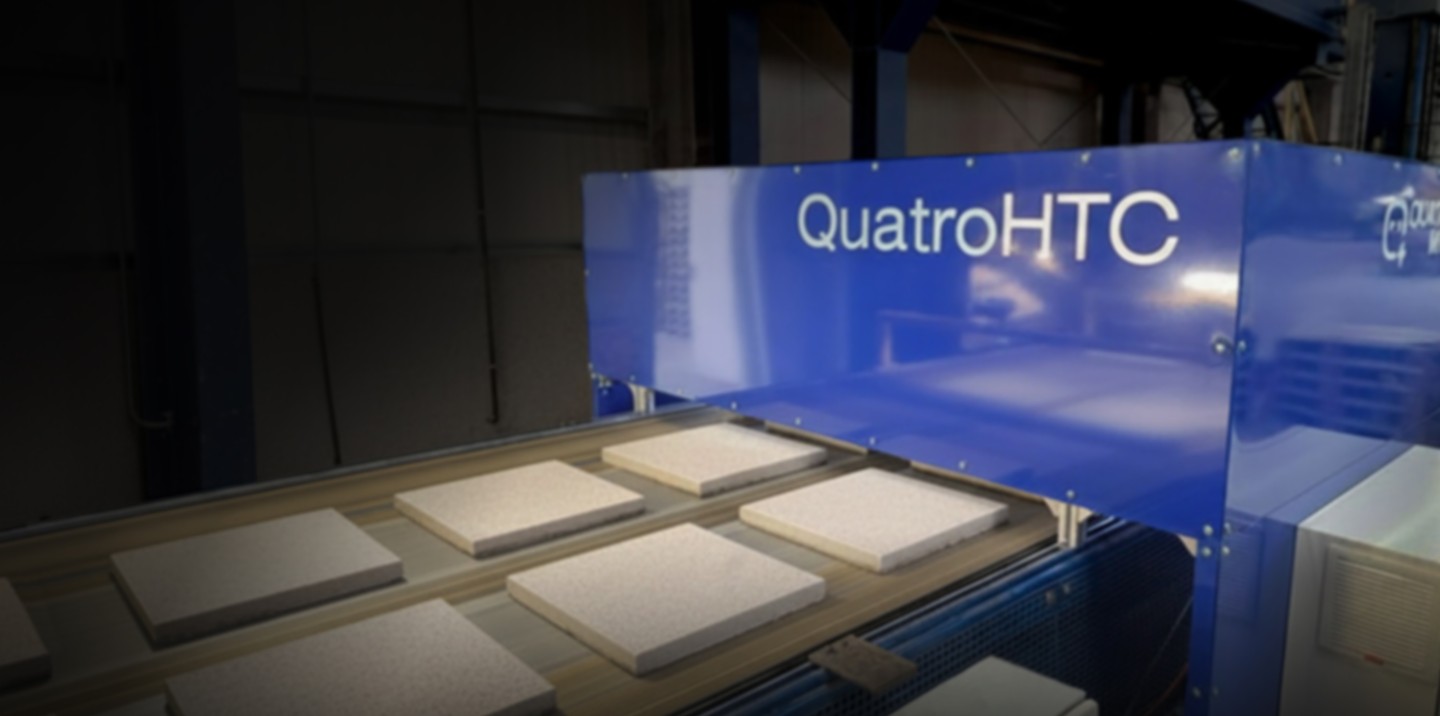

After the press
Checks geometry, dimensions, volume and major damage — before any value is added to a faulty blank.
Home / Solutions / QuatroHTC
QuatroHTC is an AI inspector at the critical control points of your tile line — after the press and after final processing. It assesses every tile, decides first, second or reject, and sends the sorting command itself. No more subjective grading that drifts shift to shift.
IN PLAIN WORDS
An automatic inspector that looks at each hyperpressed tile at two key moments — right after pressing and again after finishing — grades it by consistent rules, and tells the rejector where to send it.
Checks geometry, dimensions, volume and major damage — before any value is added to a faulty blank.
Final sorting and quality-grade classification: surface, coating, grinding and shot-blasting defects.
Each tile is classified first / second / reject and the sorting command goes straight to the rejector.
BENEFITS OF IMPLEMENTATION
Manual sorting is slow, subjective and impossible to audit. QuatroHTC makes grading
consistent, measurable and automatic.
The same rules applied to every tile, every shift — no more first-grade product downgraded by a cautious sorter, or seconds slipping into first.
Post-press inspection stops faulty blanks before finishing adds cost to a tile that will be rejected anyway.
The grade decision is sent straight to the rejector — sorting happens at line speed, hands-free.
Defect data feeds back to grinding and coating equipment, so the process is corrected, not just the product.
Every grade decision is recorded — a defensible quality record for demanding buyers.
Consistent, documented grading reduces arguments over what counts as first or second grade.
HOW IT WORKS
The decision logic that runs at every control point, in milliseconds.
Cameras record the tile at the control point — after the press, and again after finishing.
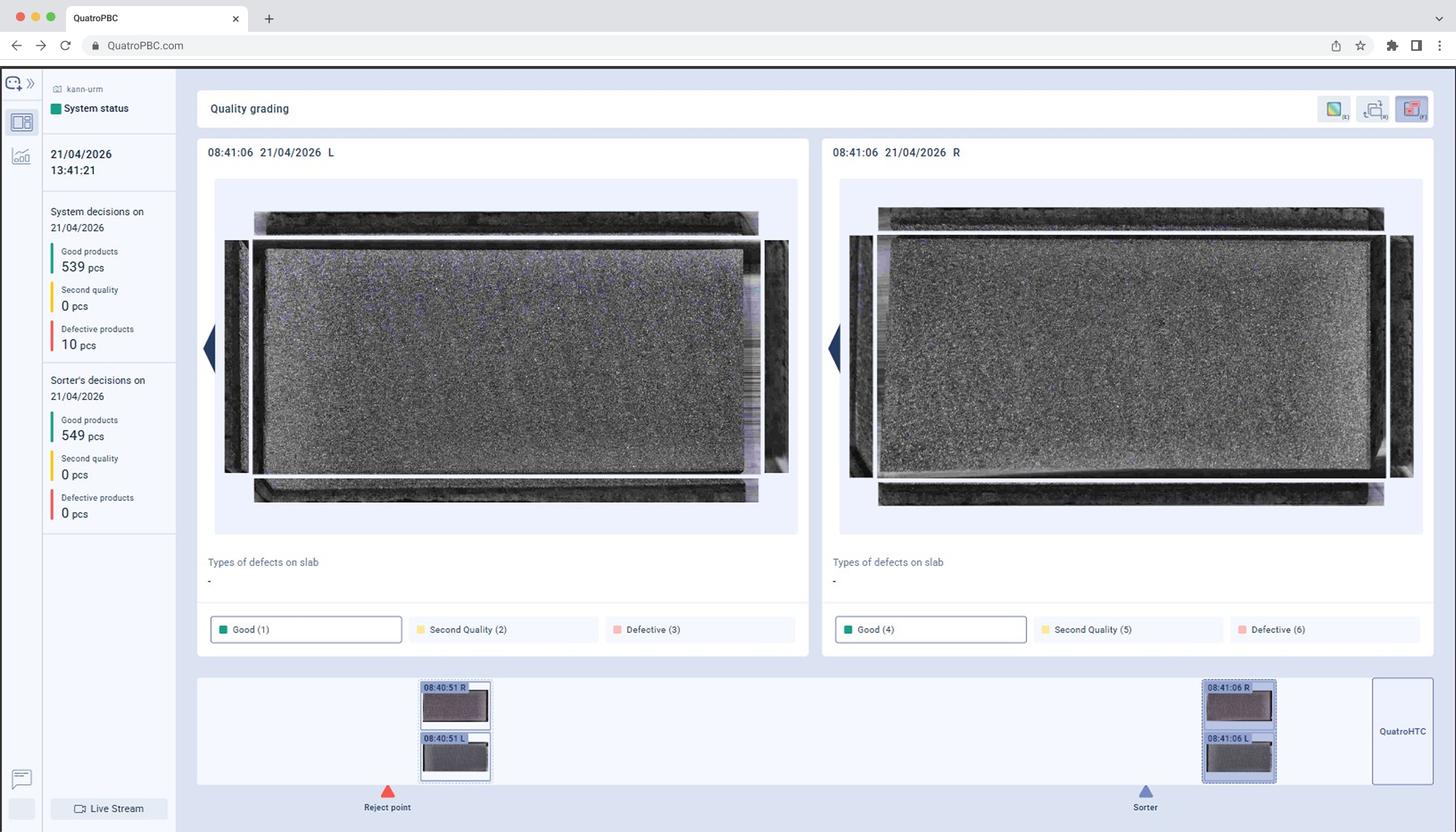
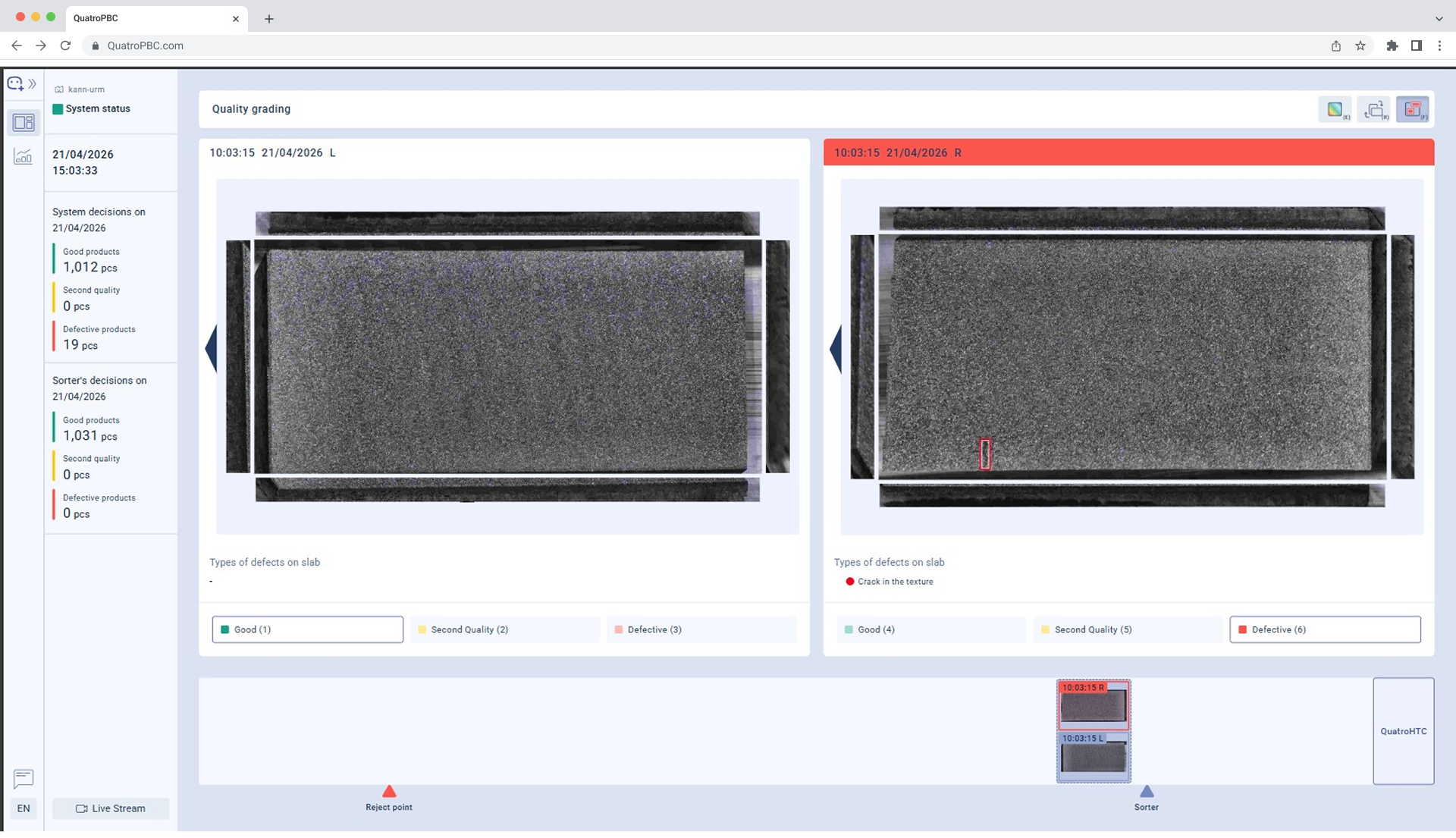
Neural networks find chips, cracks, pores, coating and grinding defects, and exposed base concrete.
Each defect is weighed by type and severity against your quality thresholds.
The tile is classified first, second or reject by consistent, measurable rules.
The decision is sent to the rejector — and fed back to the finishing equipment.
KEY FEATURES
Everything the line operator and the plant manager need — on one screen.
Click through the views.
WHAT IT DETECTS
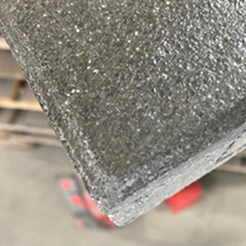
From the pressed blank to the finished tile. Tuned to your product and grade standard.
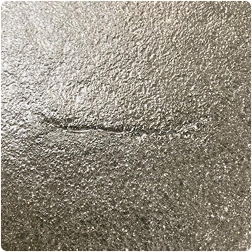
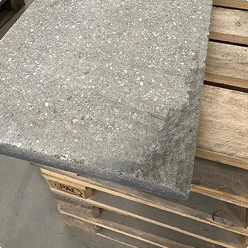
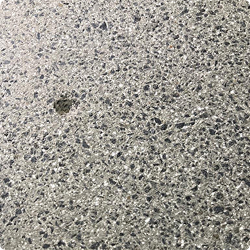
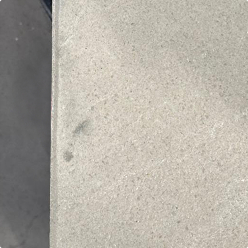
QuatroHTC is for hyperpressed and hermetic tiles. Suitability depends on tile formats, surfaces, line speed and your grading rules. Share these details for review.
Inspection points are planned after pressing and finishing. The project defines mounting space, lighting and the interface to grading or rejection equipment.
Any stop needed for mounting, connection or commissioning is planned with your production team. The required window is confirmed after the line survey; a running conveyor during inspection does not mean installation needs no downtime.
Cleaning, calibration, checks and servicing intervals depend on the installation and site conditions. The maintenance plan, responsibilities and support arrangements are agreed for the supplied configuration.
Offline operation is configuration-specific. Before agreeing the setup, we confirm which inspection, storage and synchronisation functions remain available without internet and which require a connection.
GET IN TOUCH
Tell us what you produce and how your line is configured. We will contact you with a product presentation and discuss suitability and the next steps for your line.


