
AI Quality Control in Concrete Production: Why Process Engineers Still Matter
The cameras are installed. Automated inspection is running. Does a concrete production plant still need its process engineer? Yes. Machine vision provides continuous inspection data. Process engineers use that evidence to investigate problems, evaluate changes and improve production.
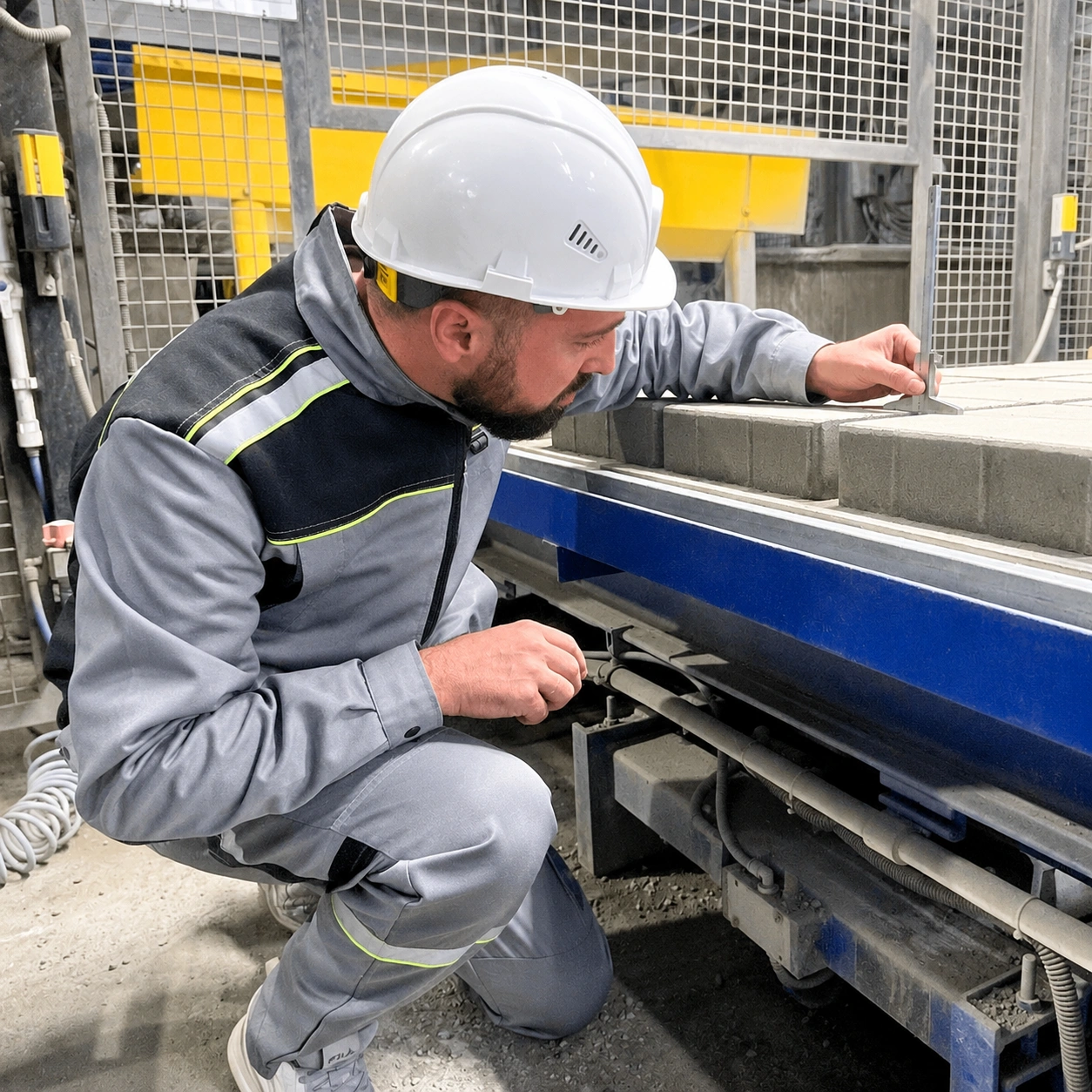
What QuatroPBC checks on the production line
QuatroPBC combines machine vision and laser measurement to inspect concrete pavers, blocks, kerbs and slabs after the press, before curing. The system captures product images and measurements, checks for configured defects and deviations, and displays inspection results to the operator. Recorded results also provide a production history that specialists can review.
For a production team, this means having information from the product flow alongside manual measurements and laboratory work.
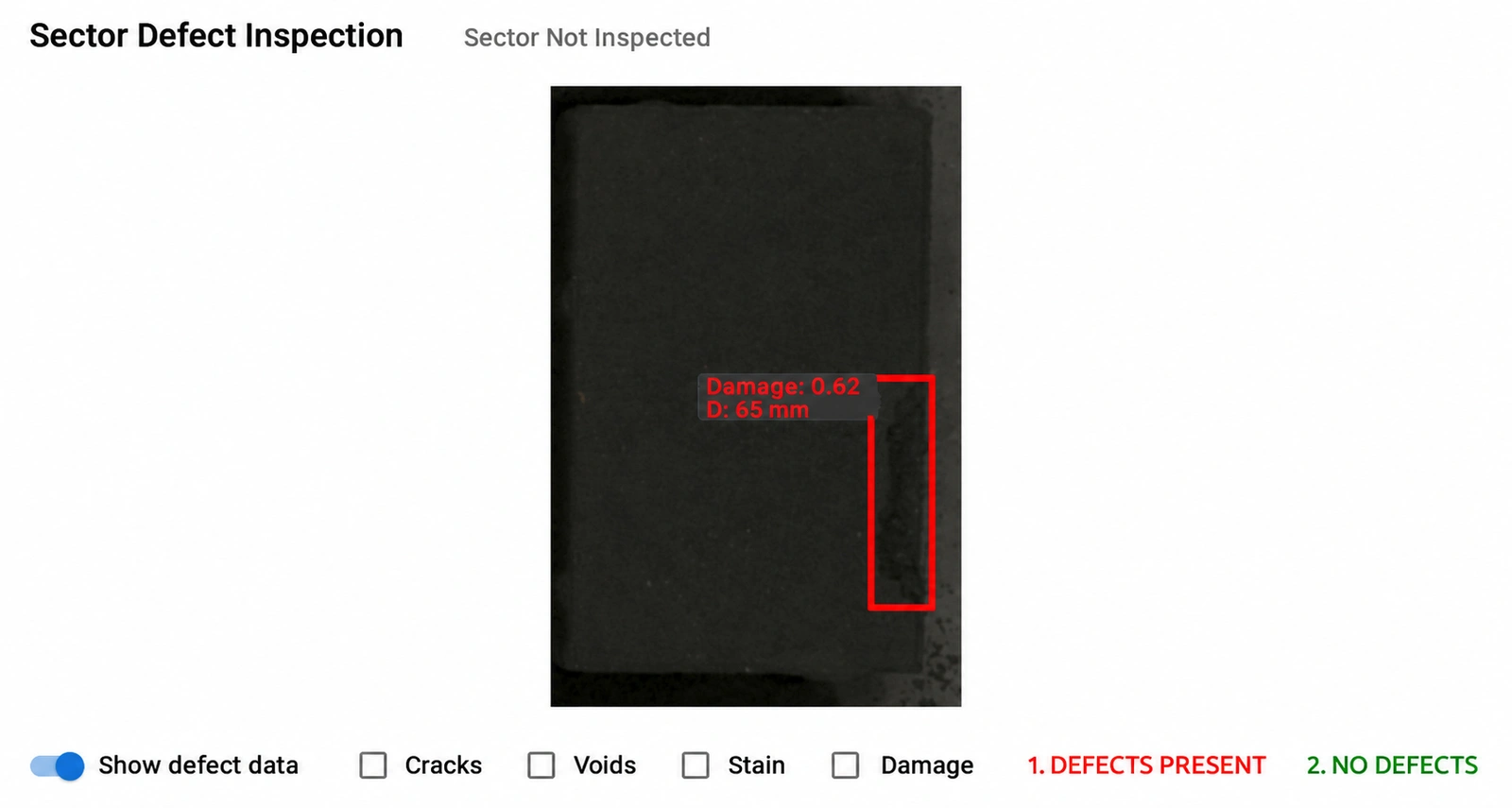
What happens when a deviation appears?
The line operator is closest to the equipment and can respond promptly when inspection indicates a problem. A recurring deviation may then require a deeper investigation involving the process engineer and laboratory.
Consider a hypothetical example: product height begins to drift across successive cycles. Inspection data helps establish when the change appeared and which products were affected. The engineer can then investigate possible causes, check the process and assess whether an adjustment is appropriate. A measurement identifies a deviation. Establishing its cause requires engineering judgement.
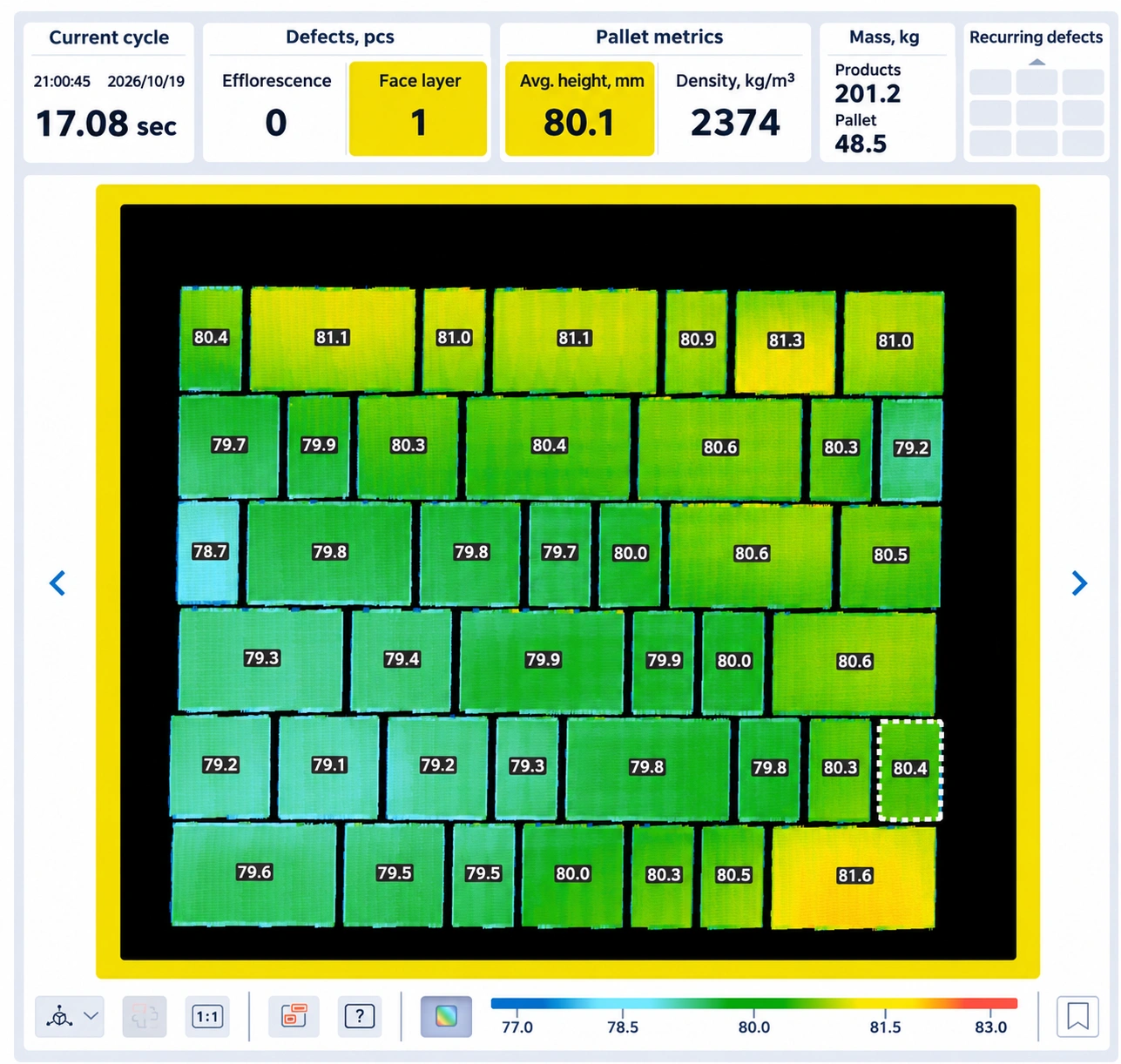
Where the process engineer adds value
Concrete production involves interacting variables: mix composition, material condition, tooling and machine settings. Understanding their effects requires more than recognising an unusual product. The engineer’s work includes:
- Investigating recurring defects and dimensional changes.
- Reviewing mix formulations and production parameters.
- Planning tests with the laboratory.
- Evaluating results after a process adjustment.
Automated inspection can reduce repetitive checking and give specialists more time for this work.
Does machine vision replace laboratory testing?
Product inspection and laboratory testing answer different questions. Images and dimensional measurements do not, by themselves, establish every property required of a concrete product. Testing and acceptance procedures remain part of the plant’s quality process.
How should manufacturers approach automated inspection?
Start with the products, defects and tolerances that matter to your line. Define who reviews inspection results, who responds to deviations and when an issue requires engineering investigation.
Original Quatromatic post on LinkedIn
All news