
Government Support for AI in Concrete Manufacturing
Artificial intelligence already helps people find information, translate languages and handle routine tasks. On the factory floor, its value becomes tangible: inspecting concrete products, recording deviations and giving teams better production data. For manufacturers planning that transition, public support may help finance an eligible investment.
Can public funding support industrial AI?
Yes, potentially. Depending on the location and project, manufacturers may find grants for digital adoption, tax allowances for qualifying investment or publicly supported loans. Buying an AI system does not automatically qualify a business for support. The applicant, equipment, costs, application timing and intended outcomes must meet the relevant programme rules.
This guide considers the United Kingdom, Germany, Poland, Portugal, Italy, the United States, Canada and Brazil. It is a starting point for assessing a project, rather than a list of grants currently accepting applications in every country.
From everyday AI to measurable production improvements
In daily life, AI often works through a search result, a translation or a suggested reply. In manufacturing, the same shift towards automated interpretation of information meets a physical process: products move past an inspection point, measurements are captured and an operator needs to decide whether action is necessary.
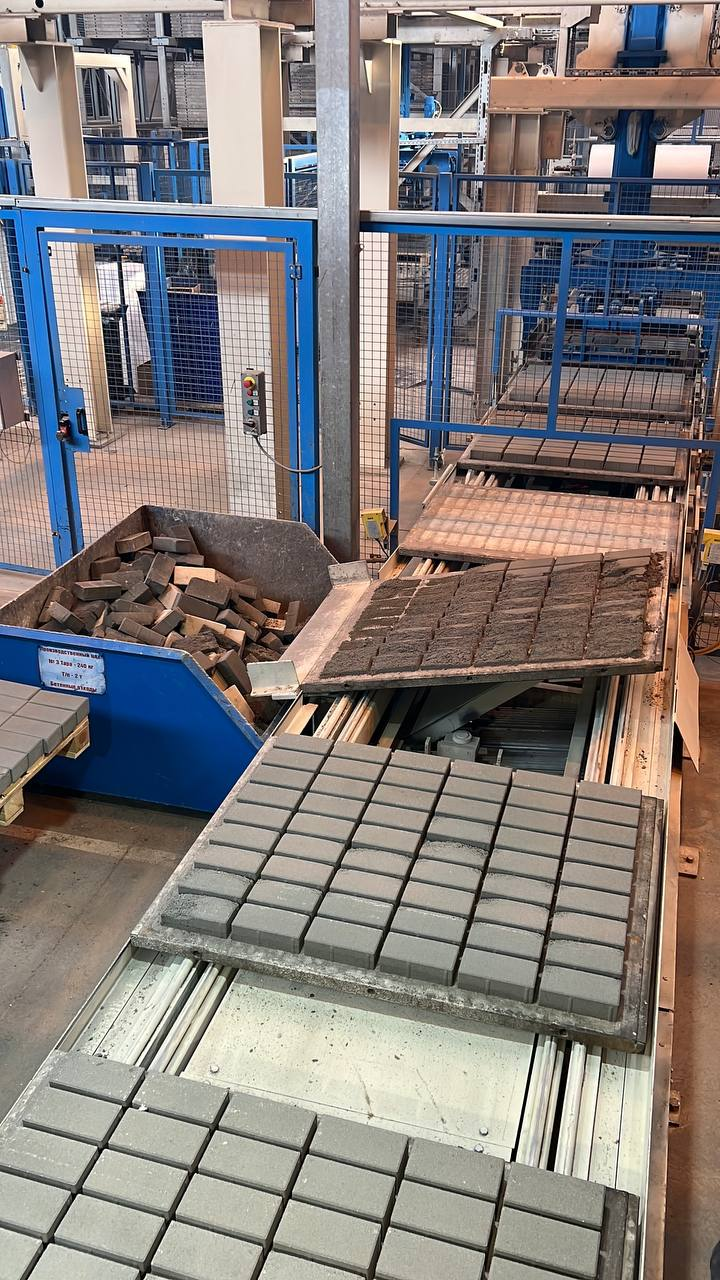
For producers of paving stones, kerbstones and concrete blocks, a useful project begins with a specific problem. That might be inconsistent inspection, defects discovered after further processing, limited production records or difficulty identifying when a deviation started. The investment case should explain how the proposed system will help address that problem.
Three types of support—and what each actually provides
- Grants contribute towards approved eligible costs. They can require matching funds, a competitive application and evidence of expenditure or results.
- Tax allowances or relief affect the tax treatment of qualifying expenditure. A deduction from taxable profit is not a cash reimbursement of the purchase price.
- Publicly supported loans, guarantees and interest contributions help finance investment. Loans must be repaid, and lenders assess the borrower and project.
Where manufacturers can start: eight country examples
United Kingdom: Made Smarter and capital allowances
Made Smarter Adoption supports eligible small and medium-sized manufacturing and engineering businesses with manufacturing premises in England. Regional offers vary; some include match-funded technology grants. Separately, the Annual Investment Allowance may allow qualifying plant and machinery expenditure to be deducted from taxable profits, subject to its rules and limits. Check the regional offer and the asset’s tax treatment separately.
Official sources: Made Smarter Adoption, GOV.UK — Annual Investment Allowance.
Germany: KfW ERP-Förderkredit Digitalisierung
KfW’s digitalisation loan supports projects ranging from hardware and software to applications of AI. Project classification affects the funding terms; some LevelUp and HighEnd projects may also qualify for a supplementary grant. Apply through the financing partner before starting the project. A supplier quotation does not establish eligibility or loan approval.
Official sources: KfW — ERP-Förderkredit Digitalisierung (511, 512).
Poland: automation and robotics for SMEs
PARP’s Automatyzacja i robotyzacja w MŚP programme targets eligible SMEs in Eastern Poland and links investment to a technology audit and transformation roadmap. It is not a nationwide subsidy for any equipment purchase. At the review date, the linked programme page marked its call as closed; use it to understand the requirements and check PARP for later calls.
Official sources: PARP — Automatyzacja i robotyzacja w MŚP.
Portugal: SICE Inovação Produtiva
Portugal 2030’s productive-innovation support can be relevant to qualifying SME investment projects, rather than an isolated purchase justified only by an AI label. Location, investment type and the applicable notice matter. The official listing for MPR-2026-6 shows a closing date of 30 September 2026 and a completed status. This particular call is not presented here as open.
Official sources: AICEP — SICE Inovação Produtiva, MPR-2026-6 — official call status.
Italy: Nuova Sabatini
Nuova Sabatini supports access to finance for qualifying SME investment in new machinery, equipment, hardware, software and digital technologies. It combines bank or leasing finance with a ministerial contribution under the programme’s rules. Check the asset requirements and any conditions for a particular digital or capitalisation route; adding AI functionality does not by itself confirm eligibility.
Official sources: MIMIT — Nuova Sabatini.
United States: SBA 504 equipment finance
The SBA 504 programme provides long-term financing for qualifying major fixed assets. The official programme page includes eligible long-term machinery and equipment with a useful remaining life of at least ten years. This is a financing route for eligible small businesses, not a general grant for AI subscriptions or working capital. Discuss project eligibility with a Certified Development Company.
Official sources: SBA — 504 loans.
Canada: Canada Small Business Financing Program
The CSBFP operates through financial institutions and can support eligible equipment and certain other business costs. The official guidance covers qualifying businesses operating in Canada with gross annual revenues of C$10 million or less. The financial institution makes the lending decision. Treat this as a loan route, and confirm how each hardware, software or integration cost is classified.
Official sources: ISED Canada — Canada Small Business Financing Program.
Brazil: BNDES Mais Inovação
BNDES Mais Inovação includes financing routes for innovation, technology diffusion and digital transformation. Requirements differ by subprogramme, with conditions covering eligible equipment, services and, in some cases, national technology or accreditation. Imported equipment is not automatically eligible. BNDES also flags timing and demand constraints for certain TR-funded operations in 2026; confirm the applicable route before budgeting support.
Official sources: BNDES — Mais Inovação, BNDES — Difusão Tecnológica (Indústria 4.0).
How to prepare a credible AI investment project
Start with an operational baseline. Record how inspection is performed today, which defects matter, how rejected products are counted and which production data is missing. Use consistent periods and units. Separate measured results from estimates, and document the assumptions behind any expected savings.
- Define the scope: plant location, products, inspection points, required measurements, software, integration and training.
- Prepare an itemised budget separating equipment, licences, implementation and recurring costs. Include the company’s own contribution and cash-flow needs.
- Check applicant and project eligibility with the programme administrator or financing partner, including sector, company size, supplier and asset restrictions.
- Confirm the application sequence before signing an order or paying a deposit. Programme rules can define the project start earlier than installation.
- Agree how results will be assessed: inspection coverage, reject or rework rates, measurement consistency, reporting time and material consumption where relevant.
Where QuatroPBC fits into the project
QuatroPBC combines machine vision and laser-based inspection for concrete products. Its role in an investment proposal can be described through the intended inspection tasks, production records and operator workflow. QuatroHub provides access to connected production information for monitoring and analysis.
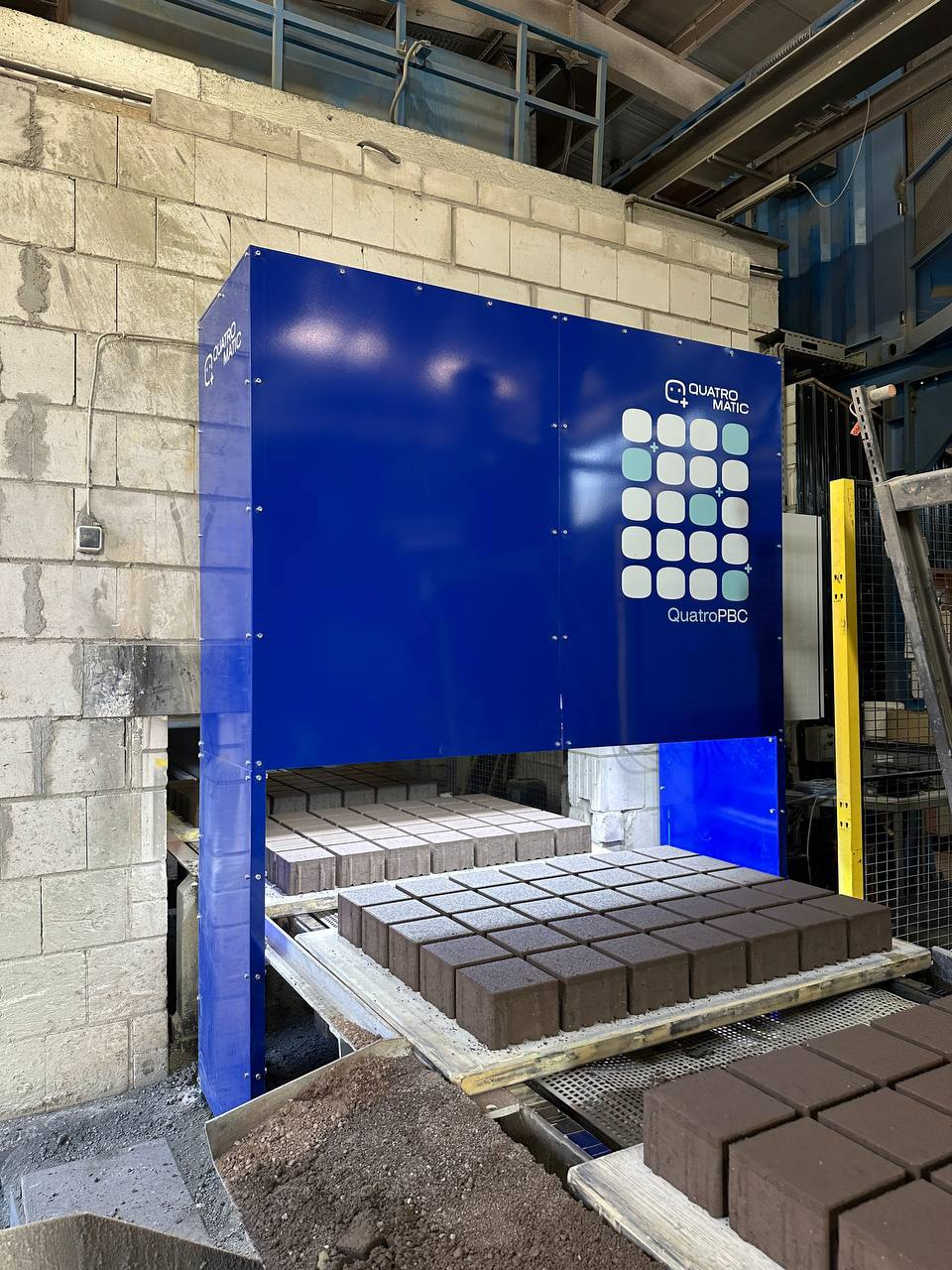
Quatromatic can discuss the technical scope and supply project-specific information for an investment assessment. Funding eligibility and approval remain with the responsible programme, lender or tax authority. No programme listed here should be read as prior approval of QuatroPBC or a guarantee of a particular saving.
Frequently asked questions
Can a concrete producer obtain a grant for AI quality control?
Potentially, where an applicable programme accepts the applicant, project and costs. The presence of AI is not sufficient: location, company size, investment purpose and application timing also matter.
Are grants, tax relief and loans interchangeable?
No. A grant contributes to approved costs; tax relief changes the treatment of qualifying expenditure; a loan provides repayable finance. Their effects on cash flow and the final project cost differ.
Should equipment be ordered before applying?
Check the specific rules first. Some programmes require an application before the project starts, and a binding order or deposit can affect eligibility.
Does installing QuatroPBC guarantee public support?
No. The responsible authority or financing institution assesses the project. Technical suitability and funding eligibility are separate assessments.
Discuss your country, region and production objective
Tell Quatromatic where the plant operates, which products it manufactures and what needs to improve. This helps define a practical technical proposal and the information needed for a funding discussion. Contact the Quatromatic team to discuss the project.
Programmes, budgets and application windows can change. Confirm current requirements with the official administrator and obtain project-specific tax or financing advice where needed.
All news